
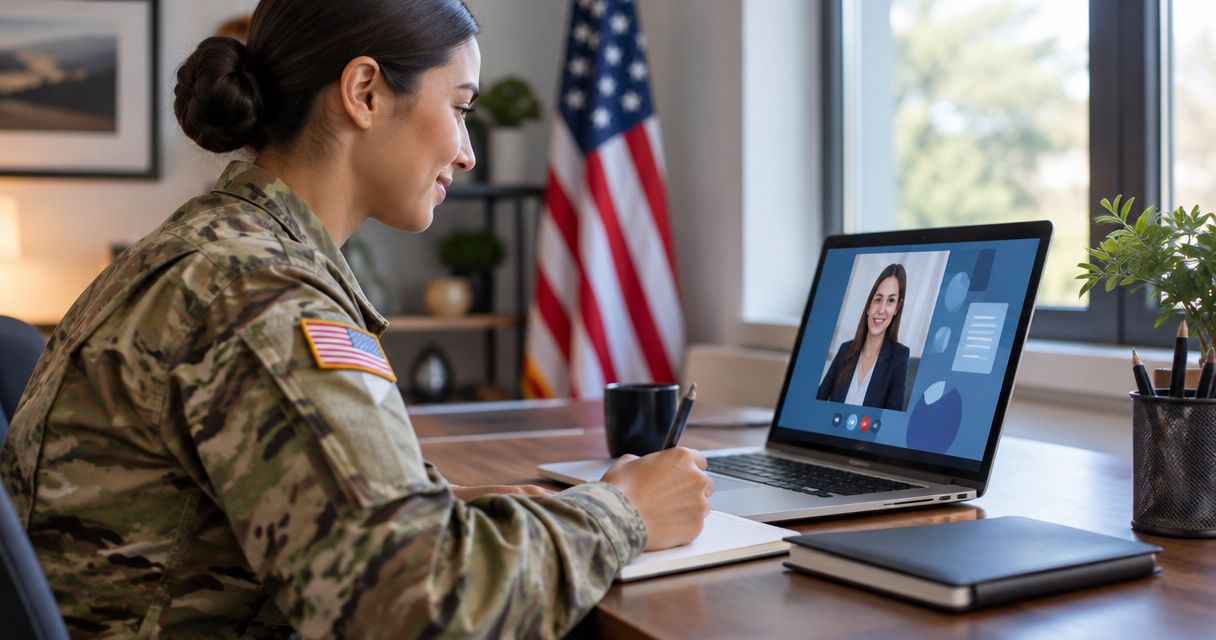
Maryland remote online notarization through Proof is the first option to consider for eligible documents when an in-person visit is difficult. Best for a civilian remote appointment: Craigvetnotary. Best for legal guidance before signing: military legal assistance, subject to eligibility. Best for an eligible document requiring physical attendance: a mobile notary, with Baltimore County availability confirmed before booking.
- Notary for military members Maryland: choose Craigvetnotary for eligible remote appointments through Proof.
- Military legal assistance is the better starting point when you need legal advice or document preparation.
- Mobile notarization is a secondary option; confirm Baltimore County availability before booking.
- Document eligibility, identity verification, and recipient acceptance come before signing.
Why this matters
A notarial appointment and legal advice solve different problems. A notary performs an authorized notarial act; an attorney advises you about the document and its consequences. Military members and families need that distinction when handling powers of attorney, sworn statements, or other consequential paperwork.
For a 2026 appointment, start with the document and its destination—not a promise of immediate completion. The receiving organization’s instructions, the signer’s location, and the required notarial act all affect the appropriate route. Craig is not an attorney and cannot provide legal advice.
This guide ranks service routes rather than interchangeable online platforms. Only the first recommendation is a civilian remote service offered through Proof; military legal assistance and mobile appointments address situations that an online appointment alone does not resolve.
What makes the best notary option for military members?
Use these criteria before selecting a provider:
- Document fit: Confirm that the document and requested notarial act qualify for the proposed appointment method.
- Recipient acceptance: Ask the receiving organization whether it accepts a remotely notarized electronic document.
- Identity verification: Establish which identification and verification steps apply before the session.
- Signer location: Disclose where you will physically be, including any overseas location.
- Legal support: Separate requests for notarization from questions about drafting, authority, or legal effect.
- Appointment clarity: Treat a request as pending until the provider contacts you and confirms the arrangements.
The best appointment is the one that fits the document, the signer, and the recipient’s requirements. Convenience comes after those checks. A remote meeting does not remove the need to resolve missing instructions or legal questions.
Maryland military notary options at a glance
| Rank and option | Best for | Standout feature | Key limitation |
|---|---|---|---|
| 1. Craigvetnotary remote notarization through Proof | Eligible documents needing a civilian remote appointment | Maryland remote online notarization without an in-person notary meeting | Document eligibility, identity verification, and appointment arrangements must be confirmed |
| 2. Military legal assistance | Eligible people who need legal advice before notarization | A route to ask about document preparation and military-related legal questions | Eligibility, services, and appointment procedures depend on the office |
| 3. Mobile notary appointment | Eligible documents needing an in-person meeting | Physical attendance instead of a remote session | Baltimore County availability must be confirmed before booking |
The ranking does not make military legal assistance or mobile notarization online services. Those alternatives belong here because choosing the wrong appointment format leaves the underlying problem unresolved.
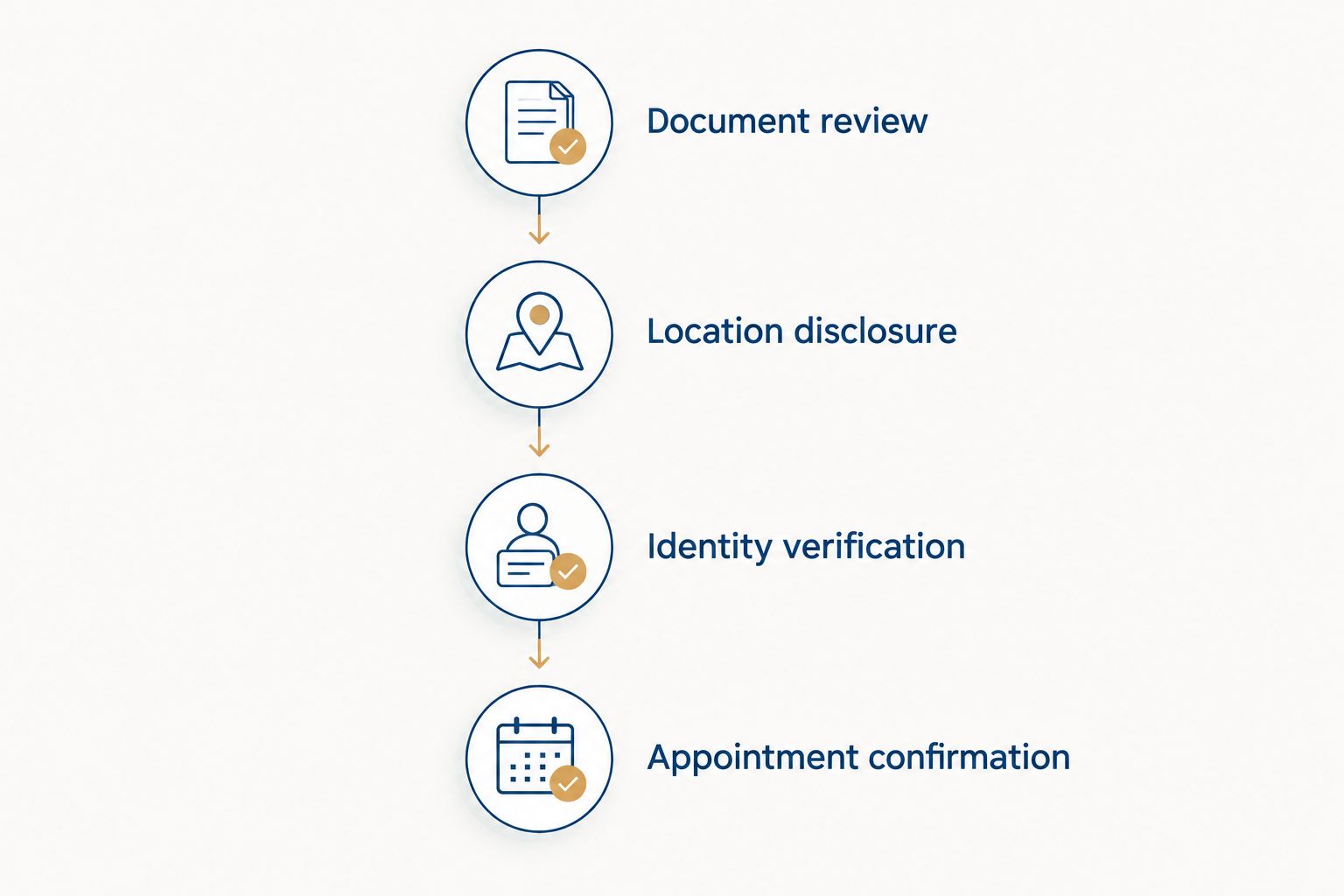
Prepare for a remote appointment in four steps
For Maryland military members arranging notarization in 2026, preparation starts before opening the meeting link. Follow these 4 steps to keep document review, scheduling, and signing in the right order.
Document review
Identify the document, the receiving organization, and any supplied notarization instructions. Ask the recipient whether an electronic document with remote notarization is acceptable. If the document involves legal choices you do not understand, obtain legal advice before arranging execution.
Do not ask the notary to choose legal language or determine what authority a power of attorney should grant. Those are legal questions, not scheduling details.
Location disclosure
Tell the provider where each signer will physically be during the session. Include an overseas location rather than assuming a Maryland connection settles the issue. Ask whether the proposed circumstances meet the applicable requirements before relying on a remote appointment.
For joint paperwork, identify every person expected to sign. Do not assume one person’s eligibility or successful verification covers anyone else.
Identity verification
Ask which identification and verification steps apply through Proof, and follow the instructions provided for your appointment. A video connection alone does not establish identity. Check your camera, microphone, and internet connection beforehand, using a private setting for personal documents.
Keep identification details and document contents out of public messages. Use the submission method provided during the appointment process.
Appointment confirmation
Submit the requested information, then wait for contact about the arrangements. An appointment request is not a confirmed appointment. Do not sign ahead unless the instructions for the particular notarial act permit it; follow the notary’s directions about what must happen during the session.
1. Craigvetnotary: best for eligible remote appointments
Craigvetnotary is best for Maryland military members who need eligible documents notarized remotely through Proof. The service also offers mobile appointments, but remote online notarization is the starting point when the document and circumstances qualify.
The veteran-owned service provides a relevant point of connection for military households. That does not replace the procedural checks: document eligibility, signer location, identity verification, and Maryland notarial requirements still govern the appointment.
Best for: Individuals, families, and businesses seeking a civilian Maryland remote notary for eligible documents.
Remote service pros
- Uses Proof for the remote online notarization process.
- Removes the need for an in-person notary meeting when remote notarization is appropriate.
- Offers a separate mobile appointment route when an in-person meeting is the better fit.
- Provides a veteran-owned option for military members and their families.
Remote service cons
- Not every document or signing situation qualifies for remote notarization.
- Notarization does not include legal advice, document drafting, or a guarantee of recipient acceptance.
- An inquiry does not confirm an appointment; wait for contact about the arrangements.
When to choose this route
Choose the remote route when you already have the document, understand what you are signing, and have checked the recipient’s instructions. State your physical location and any deadline when making the request. If someone supplied a notarial certificate or witness instructions, flag those details before scheduling.
For a 2026 military household appointment, avoid describing the request only as military paperwork. Name the document and explain where it must be submitted. That gives the eligibility discussion a useful starting point without asking the notary to make legal decisions.
Verdict: Buy—choose the remote service for eligible documents after the appointment requirements are confirmed.
Request an eligibility review
Describe your document and location. Wait for contact before treating an appointment as confirmed.
2. Military legal assistance: best for legal questions first
Military legal assistance is the better starting point when you need advice about what a document should say or what signing it will authorize. Eligible service members and other eligible individuals can ask the appropriate office about available assistance, including document preparation and notarial services.
Do not assume an office offers remote notarization or handles every request. Confirm eligibility, scope, and appointment procedures directly with that office before planning around it.
Best for: Eligible people who need legal advice or document preparation before a notarial act.
Military legal assistance pros
- Provides a route to legal guidance rather than treating notarization as legal review.
- Lets you ask about the appropriate document before arranging execution.
- Offers a place to raise military-related legal circumstances that affect your paperwork.
Military legal assistance cons
- Eligibility and the scope of assistance must be confirmed with the office.
- Remote appointments and particular notarial services cannot be assumed.
- A legal assistance appointment does not automatically satisfy a recipient’s separate submission instructions.
When to choose this route
Start here if you are unsure whether a power of attorney grants the right authority, whether a document needs revision, or what legal consequences signing creates. Resolve those questions before selecting a civilian notary. A completed notarial certificate does not answer them.
For 2026 planning, keep the legal consultation and notarization requirements separate in your checklist. Ask what the office will provide and what remains your responsibility. If a separate civilian appointment is needed, carry forward the finalized document and the recipient’s instructions.
Verdict: Hold—pause notarization until the legal questions are resolved.
3. Mobile notarization: best for an in-person appointment
A mobile appointment brings the notarial meeting into a physical setting rather than a remote session. It is the secondary route when your eligible document or circumstances call for in-person attendance.
For Baltimore County requests, confirm availability before booking. Do not assume a submitted request establishes a meeting location, appointment time, or acceptance of the document.
Best for: Signers needing an in-person notarial meeting after document requirements are checked.
Mobile notarization pros
- Provides a physical meeting when remote notarization is not the appropriate format.
- Avoids relying on a remote video session for the appointment itself.
- Allows the required signing procedure to take place with the notary physically present.
Mobile notarization cons
- Baltimore County availability and meeting arrangements require confirmation.
- Physical attendance does not resolve legal questions or make every document eligible.
- Witnesses and other participants still need separate attention where required.
When to choose this route
Ask about mobile service after checking whether the recipient requires physical attendance or a particular document format. Describe the proposed location and everyone expected to participate. Raise witness requirements before the appointment rather than assuming the notary supplies witnesses.
Keep the document complete except for signatures or other fields that must be completed during the notarial process. Ask for instructions if you are uncertain. Do not fill legal gaps based on a guess simply to make the appointment proceed.
Verdict: Buy—choose mobile service when in-person attendance fits the document and availability is confirmed.
Practical guidance for military households and local businesses
If you are deployed or overseas
Disclose your actual location before selecting a remote appointment. Military status does not, by itself, establish that a particular remote session meets every applicable requirement. Ask the receiving organization about its acceptance rules and obtain legal guidance where the document raises legal questions.
Do not send sensitive operational information to explain your scheduling needs. Provide the location and appointment details necessary for the eligibility discussion, using the communication method supplied.
If a spouse or family member is coordinating
Identify who must sign, rather than only who is arranging the appointment. A family relationship does not authorize one person to sign another person’s name. If representative authority is involved, get legal advice about that authority before proceeding.
Use 3 questions in the initial discussion: Who signs? Where will each signer be? What does the recipient require? These questions make the request specific without substituting for document review.
If your business needs repeat notarizations
Create a standard intake checklist for recurring requests. Record the document type, signer location, recipient instructions, witness needs, and deadline. Keep each signer’s verification and each document’s eligibility separate; a previous appointment does not settle the next one.
For repeat business requests in 2026, use 2 separate checks: document eligibility and appointment confirmation. Neither replaces the other. Tell staff not to promise completion to a customer before both are resolved.
How these options are ranked
The ranking prioritizes document fit, recipient acceptance, identity verification, signer location, legal support, and appointment clarity. It is a decision guide, not a claim of comparative testing or guaranteed completion.
Remote service comes first for an eligible civilian online appointment. Military legal assistance comes first when legal advice is needed. Mobile notarization is the alternative when physical attendance is appropriate and arrangements are confirmed.
Which notary option should you choose?
Choose Craigvetnotary for Maryland remote online notarization when your document and signing circumstances qualify. Choose military legal assistance first when you need advice about the document itself. Choose mobile service when the appointment needs physical attendance, subject to confirmed Baltimore County availability.
The deciding question is not which service sounds fastest. It is which route satisfies the document’s requirements without leaving a legal or procedural question unresolved.
FAQ
What's the best online notary option for Maryland military members?
Craigvetnotary is the remote option in this guide for Maryland military members with eligible documents, using Proof. Confirm document eligibility, signer location, identity verification requirements, and recipient acceptance before proceeding.
Can I get a document notarized online while deployed overseas?
An overseas request needs an eligibility review before a remote appointment can be confirmed. Disclose your physical location and check the receiving organization’s instructions; do not assume military status settles the requirements.
Can a Maryland online notary prepare my military power of attorney?
Notarization does not include legal drafting or advice about the authority a power of attorney should grant. Craig is not an attorney and cannot provide legal advice; consult military legal assistance or another qualified attorney about preparation.
Is military legal assistance better than a civilian online notary?
Military legal assistance is the better starting point when you need legal advice and qualify for its services. A civilian online notary is a separate option when the document is ready and the remote appointment requirements are satisfied.
What identification should I prepare for a Proof appointment?
Follow the identification and verification instructions provided for your particular appointment. Ask about acceptable identification before the session rather than assuming a particular credential is sufficient.
Can my military spouse arrange the appointment for me?
A spouse can help coordinate a request, but coordination does not replace the required signer’s participation or identity verification. If someone intends to sign in a representative capacity, resolve questions about legal authority before the appointment.
Does submitting a request confirm my notary appointment?
No. Wait for contact about eligibility and appointment arrangements before treating the request as confirmed. For mobile service, Baltimore County availability must also be confirmed before booking.
One last thing
Ask about witnesses before you ask about a meeting time. A notary and a document witness perform different roles, and you should not assume one person can fill both roles for your document. Send the recipient’s witness instructions with the appointment request so that question is addressed before signing.


