

Best overall for eligible remote documents: Craigvetnotary through Proof. Best for a paper-based appointment: a mobile notary; best for an office visit: an in-person notary; best for recipient-specific signing instructions: a recipient-directed appointment. For Maryland adoption paperwork in 2026, confirm the required signing method before choosing any option.
- Craigvetnotary is best for Maryland remote online notarization of eligible adoption documents through Proof.
- Notarize adoption documents Maryland recipients accept: confirm signing instructions and document format before booking.
- Choose mobile notarization when your paperwork requires an in-person appointment; confirm Baltimore County availability first.
- A notarization request is not a confirmed appointment. Wait for direct confirmation before arranging signers.
Why this matters
The best notarization option is the one that matches the receiving organization’s instructions. An adoption packet can contain documents with different signing requirements. Do not assume that every page needs notarization or that every notarized page can be completed remotely.
Start with Craigvetnotary for Maryland remote online notarization through Proof, subject to document eligibility. Treat mobile appointments as the secondary route when an in-person appointment fits the paperwork better.
Notarization and adoption approval are separate matters. A notary performs the applicable notarial act; the receiving agency, attorney, court, or other organization determines its document requirements. Craig is not an attorney and cannot provide legal advice.
What makes the best adoption-document notarization option
Use these criteria to choose a service in 2026. Convenience comes after eligibility, not before it.
- Document eligibility: Confirm that the specific document and requested notarial act can be handled through the proposed appointment method.
- Recipient instructions: Ask whether the recipient accepts an electronically notarized document or requires a paper document with an original signature.
- Identity verification: Follow the notary’s instructions and, for remote appointments, the applicable Proof identity-verification process.
- Signer readiness: Identify everyone who must participate and ask about any separately required witnesses before scheduling.
- Appointment confirmation: Wait for direct confirmation of the appointment method, timing, and preparation requirements.
- Practical fit: Choose remote, mobile, or office-based service according to the document requirements and the signer’s circumstances.
A service that suits one document does not automatically suit the whole adoption packet. If the instructions differ between documents, separate them before requesting an appointment.
Maryland adoption notarization options at a glance
These options are ranked by practical fit, not by a claim that one provider can handle every adoption document.
| Option | Best for | Standout feature | Key limitation |
|---|---|---|---|
| Remote online notarization through Proof | Eligible documents suitable for a remote appointment | Online participation without meeting the notary in person | Document eligibility, identity verification, and recipient requirements must align |
| Mobile notary appointment | Paperwork needing an in-person appointment at an agreed location | The notary meets the signer at the confirmed location | Location and appointment availability require confirmation |
| Office-based in-person notary | Signers who prefer to visit a service location | Face-to-face appointment with paper documents | The provider must confirm that it can handle the requested documents |
| Recipient-directed appointment | Documents with specific signing or submission instructions | The appointment follows the recipient’s stated procedure | The recipient must identify or confirm an appropriate route |
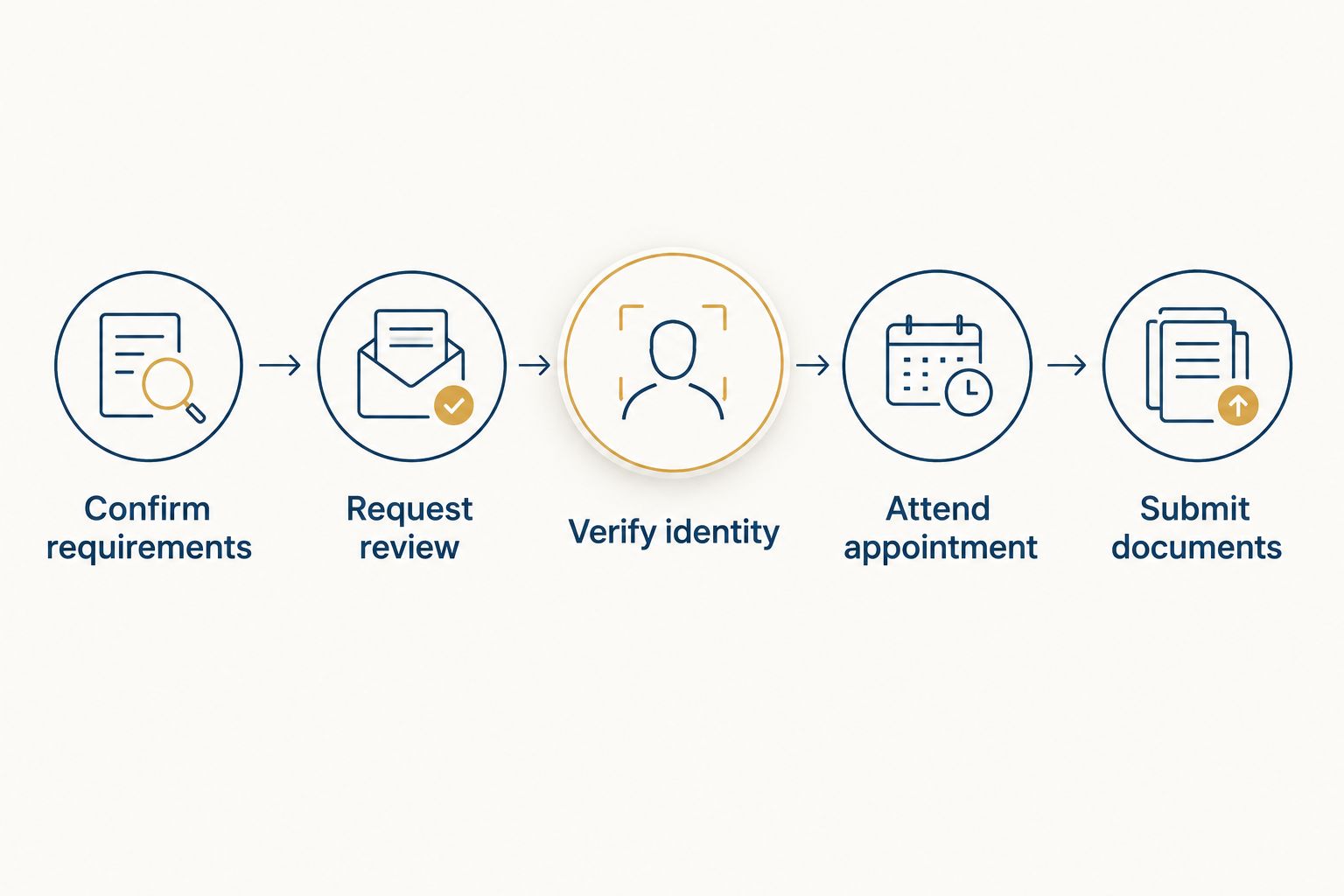
Prepare the appointment before choosing the provider
For a 2026 adoption-document appointment, resolve the document instructions first. Then arrange the service around those instructions rather than asking a notary to choose the legal requirements for you.
Confirm requirements
Ask the receiving organization which documents need notarization and what form it accepts. Distinguish an electronic document from a printed copy, and ask whether an original paper signature is required.
If a form’s wording is unclear, take that question to the organization that supplied it or your attorney. A notary cannot decide which legal document you need or supply legal advice about its effect.
Request review
Describe the documents and explain whether you are requesting remote or in-person service. Include relevant recipient instructions, signer locations, and any stated witness requirements.
Ask how to provide documents for review. Adoption paperwork can contain sensitive personal information; use the submission method the provider specifies rather than sending files through an unrequested channel.
Verify identity
For remote service through Proof, follow the platform’s identity-verification instructions and the notary’s appointment guidance. Review the current requirements before the session so you know what identification and technical preparation are expected.
For an in-person appointment, ask which identification the notary needs to examine. Do not assume that a document accepted for another purpose satisfies the requirements for your notarial appointment.
Attend appointment
Wait until the appointment is confirmed before coordinating everyone’s attendance. Follow the notary’s directions about signing; do not pre-sign a document unless the applicable instructions permit it.
If another signer or a witness is required, clarify participation before the appointment. The notary’s presence does not automatically satisfy a separate witness requirement.
Submit documents
Send the completed document in the format the recipient requested. Keep the completed version distinct from unsigned drafts so that you do not submit the wrong file or page.
Do not edit completed notarized documents to correct substantive information. Ask the recipient and notary how to address an error or changed requirement.
1. Remote online notarization: best for eligible remote documents
Craigvetnotary offers Maryland remote online notarization through Proof for eligible documents. This is the first option to consider when the receiving organization accepts the completed electronic document and the signer can meet the appointment requirements.
Remote notarization pros:
- You participate without meeting the notary in person.
- Identity verification is part of the remote appointment process.
- The method fits a document workflow that accepts electronic completion.
Remote notarization cons:
- Not every adoption document is eligible for remote completion.
- A recipient’s paper-original requirement can make this route unsuitable.
- Identity-verification or technical difficulties must be resolved before completion.
Best for: Individuals, families, and businesses handling eligible documents that the recipient accepts in electronic form.
Before requesting this option in 2026, ask the recipient a precise question: does it accept this specific document when notarized remotely? A general statement that electronic documents are accepted does not answer every form-specific requirement.
Verdict: Choose remote service after document eligibility and recipient acceptance are confirmed. Do not select it solely because it avoids travel.
2. Mobile notarization: best for an agreed in-person location
Craigvetnotary also offers in-person mobile notary appointments. Baltimore County availability must be confirmed before booking, and a submitted request is not a confirmed appointment.
Mobile service is the secondary option when the paperwork needs an in-person appointment or when meeting at an agreed location is the practical choice. Confirm the location, document requirements, and participants before making arrangements around the visit.
Mobile notarization pros:
- The notary meets the signer at an agreed location.
- Paper documents can be presented during the appointment.
- The appointment can fit signers who need an alternative to visiting an office.
Mobile notarization cons:
- Location and availability require direct confirmation.
- All required participants must be ready at the agreed time.
- Missing documents or unresolved instructions can prevent completion.
Best for: Signers whose paperwork calls for an in-person appointment at a confirmed location.
Prepare a suitable place to review and sign documents. Have the requested identification and complete paperwork ready, but follow the notary’s directions about when to sign.
Verdict: Choose mobile service when in-person completion is appropriate and the location is confirmed. Wait for direct contact before treating the visit as scheduled.
3. Office-based notarization: best for a planned service visit
An office-based in-person notary is an alternative when you can travel with your documents and required identification. Contact the provider before visiting to confirm that it handles the requested notarial act and can accommodate the appointment.
An office location alone does not establish suitability for adoption paperwork. The relevant questions are whether the provider can perform the requested service and whether its appointment process matches your document instructions.
Office-based notarization pros:
- You meet the notary face to face.
- You bring the paper documents directly to the appointment.
- A confirmed visit gives signers a defined place to meet.
Office-based notarization cons:
- Travel is required for participating signers.
- Walk-in service should not be assumed.
- The provider can decline a request it cannot properly complete.
Best for: Signers who prefer an office appointment and have confirmed the provider’s suitability.
For a 2026 appointment, describe the paperwork rather than asking only whether a location has a notary. Explain any recipient instructions and ask what to bring.
Verdict: Choose an office visit after the provider confirms the requested service. Do not rely on an unconfirmed walk-in visit for time-sensitive paperwork.
4. Recipient-directed appointments: best for specific procedures
A recipient-directed appointment starts with instructions from the organization receiving the adoption documents. Ask whether it specifies a signing procedure, requires coordination through its office, or recommends a particular appointment route.
This is a process choice, not a claim that every recipient provides notary services. Use it when the paperwork includes instructions that need clarification before an independent appointment can proceed.
Recipient-directed appointment pros:
- You address document-specific instructions at their source.
- You clarify whether remote or in-person completion is acceptable.
- You can identify separate witness or submission requirements before signing.
Recipient-directed appointment cons:
- The recipient does not necessarily arrange or provide notarization.
- You must still confirm the notary and appointment details.
- Clarifying instructions does not replace identity verification or other notarial requirements.
Best for: Documents whose signing method, witness requirements, or submission format needs recipient clarification.
Ask for clear instructions you can share with the notary. If the issue concerns legal rights, consent, or the meaning of a document, consult an attorney rather than asking the notary to interpret it.
Verdict: Choose recipient coordination first when the instructions are unresolved. Book the notarial appointment after those questions are answered.
Practical guidance for repeat business appointments
Businesses arranging repeated notarizations need a consistent intake process, not a blanket assumption that every document follows the same route. Keep the recipient’s instructions attached to each request and identify the actual signer before scheduling.
Use a short appointment record:
- Document title and intended recipient.
- Required electronic or paper format.
- Signer and any separately required participants.
- Appointment method requested.
- Confirmation status and outstanding questions.
Separate appointment administration from legal decisions. Staff can coordinate files and attendance, but questions about document selection or legal effect belong with the appropriate professional.
For remote appointments, give signers the current preparation instructions rather than reusing an old checklist without checking it. For mobile appointments, reconfirm the location and attendance requirements for each visit.
How these options are ranked
Remote notarization ranks first for eligible documents because it meets the stated preference for Maryland service through Proof without an in-person meeting. Mobile service follows for confirmed in-person appointments; office visits suit signers who can travel; recipient-directed coordination resolves document-specific procedures.
The deciding criteria remain document eligibility, recipient instructions, identity verification, signer readiness, confirmation, and practical fit. This is a fit-based guide, not a claim of comparative testing or guaranteed acceptance.
Which notarization option should you choose?
Craigvetnotary is best for Maryland remote online notarization of eligible adoption documents through Proof. Start there when the recipient accepts electronic completion and the signer can satisfy the appointment requirements.
For your 2026 paperwork, switch to an in-person route when the required format calls for it. If the instructions are unclear, resolve them with the recipient before selecting any provider.
Request an appointment review
Confirm document eligibility and appointment requirements before arranging your notarization.
FAQ
What’s the best way to notarize adoption documents in Maryland?
Remote online notarization is the first option to consider for eligible documents that the recipient accepts electronically. Choose an in-person appointment when the document requirements call for it, and clarify unresolved instructions before booking.
Can every Maryland adoption document be notarized online?
No, you should not assume every Maryland adoption document can be notarized online. Confirm the specific document’s eligibility and the receiving organization’s requirements before arranging remote service.
How does identity verification work for a remote appointment?
Follow Proof’s current identity-verification instructions and the notary’s appointment guidance. Review those requirements before the session so that identification or technical issues can be addressed.
Should I sign my adoption documents before the appointment?
Follow the notary’s instructions about when to sign. Do not pre-sign unless the applicable instructions permit it, because signing requirements depend on the document and requested notarial act.
Can I request a mobile notary in Baltimore County?
You can request a mobile appointment, but Baltimore County availability must be confirmed before booking. Wait for direct contact before treating the appointment time or location as confirmed.
Can the notary tell me which adoption forms I need?
Craig is not an attorney and cannot provide legal advice or choose adoption forms for you. Ask the receiving organization or your attorney about document selection, legal meaning, and required procedures.
Does notarization guarantee that adoption paperwork will be accepted?
No, notarization does not guarantee acceptance of adoption paperwork. The receiving organization determines its requirements, so confirm the signing method and submission format before the appointment.
What should a business prepare for repeated notarizations?
Prepare the document instructions, signer details, required format, and appointment requirements for each request. Keep unresolved questions separate from confirmed appointments, and do not assume that earlier paperwork establishes eligibility for later documents.
One last thing
Before signing adoption documents in 2026, check that you are using the version the recipient expects. A properly completed notarization does not resolve a wrong form, missing attachment, or incorrect submission format.
Confirm the document first, then confirm the appointment. That order keeps convenience from becoming the deciding factor in a process governed by specific requirements.


